
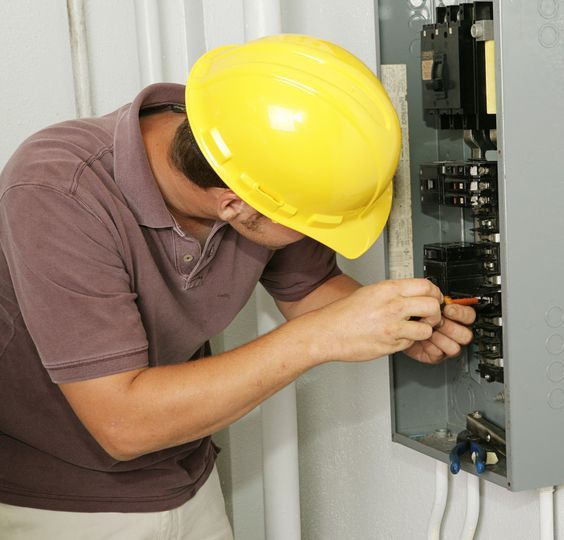
Why Finding the Right Electrician in Allapattah is More Than Just a Search—It’s About Your Family’s Safety**
Hey, my name is Alex, and for the better part of 15 years, I’ve been the guy you call when the lights go out, when a switch makes a funny buzzing sound, or when you’re finally ready to bring your home’s electrical system into the 21st century. I’ve spent my career with my head in dusty attics, my hands in complex breaker panels, and my boots on the ground right here in Miami-Dade. From the historic charm of Coral Gables to the bustling energy of Downtown, I’ve seen it all. And that brings me to Allapattah.
I have a real soft spot for Allapattah. It’s one of Miami’s most authentic, vibrant, and rapidly evolving neighborhoods. You’ve got this incredible mix of classic, mid-century Florida homes standing proudly next to new, modern developments. You have the energy of the produce market, the creativity of the local art scene, and the deep-rooted sense of community. But with that beautiful mix of old and new comes a unique set of challenges, especially when it comes to the unseen network of wires running through your walls. The electrical systems in some of Allapattah’s older homes are a world away from the demands of our modern, power-hungry lives.
That’s why I decided to write this guide. This isn’t going to be your typical, dry, jargon-filled blog post. This is the definitive, no-nonsense, tell-it-like-it-is guide for every homeowner in Allapattah. My goal is to pull back the curtain on the world of residential electricity, to empower you with the knowledge you need to make safe, smart decisions for your home and family. Because finding a reliable electrician in Allapattah shouldn’t feel like a roll of the dice; it should feel like you’re bringing a trusted partner onto your team.
Over the next few minutes, we’re going to cover everything. We’ll talk about what constitutes a real, drop-everything-and-call-now emergency. We’ll dive deep into the heart of your home’s electrical system—the breaker panel—and discuss why upgrading it might be the single most important investment you can make. We’ll cover everything from flickering lights and faulty outlets to getting your home ready for an electric vehicle. And most importantly, we’ll walk through exactly how to vet and choose a certified pro you can trust with the safety of your home. So grab a cafecito, get comfortable, and let’s talk electricity.
H2: “It’s 2 AM and My Power’s Out!” – Your Emergency Electrician Allapattah Playbook
There’s no feeling quite like it. The sudden, deafening silence. The abrupt plunge into darkness. It’s 2 AM, the AC has cut out, and the thick, humid Allapattah air is already starting to creep in. Your first thought is probably, “Did the whole block go out?” A quick peek out the window tells you no—your neighbors’ lights are still on. It’s just you. This is the moment when a healthy dose of panic can start to set in. But before you start frantically searching for “emergency electrician Allapattah,” let’s take a deep breath and create a playbook. As your guide, I want to give you a clear, calm set of steps to follow.
**H3: The Anatomy of a True Electrical Emergency: What Requires an Immediate Call?
First things first, not every power outage is a five-alarm fire. Sometimes, you’ve just overloaded a circuit. But some situations are absolutely non-negotiable and require an immediate call to a professional. If you experience any of the following, do not wait.
The Smell of Burning Plastic or Wires: This is the number one red flag. It’s a distinct, acrid smell that’s impossible to miss. It means something is overheating to the point of melting, and it’s a significant fire hazard.
- Sparks, Arcs, or Flames: This one is obvious. If you see sparks shooting from an outlet, a switch, or your breaker panel, you have an active and dangerous electrical fault.
- Loud Buzzing or Humming from the Breaker Panel: Your panel should be mostly silent. A loud, persistent buzzing sound can indicate a failing breaker or a loose, high-amperage connection that’s arcing.
*Water and Electricity Don’t Mix: If your outage is related to a water leak, especially near the breaker panel or major appliances, it’s a severe shock hazard.
Power Loss to Essential Medical Equipment: If a member of your household relies on powered medical devices, any outage is an emergency.
If you’re facing any of these, your priority is safety. Don’t try to be a hero. It’s time to call in a professional. For situations like these, having a reliable 24/7 service is crucial, and that’s a promise we take seriously. You can learn more about our emergency response by visiting our dedicated page for electricians in Allapattah.
H3: Step-by-Step: What to Do in the First 15 Minutes of a Power Outage in Your Allapattah Home
Okay, so you don’t smell smoke or see sparks. It’s likely a tripped breaker. Here’s your 15-minute action plan:
- Stay Calm and Find a Light: Your phone’s flashlight is your best friend. Avoid lighting candles if you suspect an electrical issue, just in case.
- Check Your Breakers: Head to your electrical panel. It’s usually in the garage, a utility closet, or on an exterior wall.
- Identify the Tripped Breaker: Look for a breaker switch that is in the “off” position or, more commonly, stuck in the middle between “on” and “off.”
- The Reset Procedure: To properly reset it, you must first push the switch firmly to the “off” position, and then push it back to the “on” position. If you just try to nudge it from the middle, it won’t reset.
- Assess the Situation: If the breaker stays on, great! Think about what might have caused it. Did you just turn on the microwave while the toaster and a space heater were running on the same circuit? You likely just overloaded it. If the breaker trips again immediately, you have a more serious problem.
- Isolate the Problem: If it trips again, turn the breaker off. Unplug everything on that circuit. Then, reset the breaker. If it stays on, the problem is likely one of the appliances you just unplugged. Plug them back in one by one until the breaker trips again. The last device you plugged in is your culprit. If the breaker trips even with everything unplugged, the fault is in the wiring itself, and you need to call an electrician.
H3: The Most Common Culprits: Why Your Breaker Keeps Tripping and What It Means
A breaker’s job is to protect your home by shutting off power when it detects a problem. It’s a safety device doing its job. Here are the three main reasons it will trip:
- Overloaded Circuit: This is the most common and least dangerous reason. It happens when you try to draw more power than the circuit is designed to handle. Think of it like trying to drink a thick milkshake through a tiny straw. Eventually, the pressure is too much. This is common in older Allapattah homes where multiple rooms might be wired to a single 15-amp circuit.
- Short Circuit: This is much more serious. A short circuit happens when a “hot” wire (black) touches a “neutral” wire (white). The path of electricity is suddenly shortened, resistance drops to almost zero, and a massive amount of current flows in an instant. The breaker trips violently to prevent this surge from overheating wires and starting a fire. This can be caused by damaged wiring, a faulty appliance, or a loose connection.
- Ground Fault: This is similar to a short circuit but occurs when a hot wire touches a ground wire or a grounded part of a metal outlet box. This is especially dangerous in wet areas like kitchens and bathrooms, as it can energize surfaces and create a severe shock risk. This is why modern codes require GFCI outlets in these areas.
H3: Beyond the Breaker: Identifying Dangerous Smells, Sounds, and Sights
Your senses are your best early warning system.
- Smells: As mentioned, a burning plastic or fishy smell is a major red flag. It often points to melting wire insulation or an overheating electrical component.
- Sounds: Listen for buzzing, humming, or crackling. A light switch that crackles when you flip it has a loose connection and is a fire waiting to happen.
- Sights: Look for discoloration or scorch marks around outlets and switches. This is a clear sign of overheating. Flickering or dimming lights that happen consistently when a large appliance (like your AC) kicks on can also indicate an overloaded circuit or a problem with your main service connection.
H3: Vetting an Emergency Electrician in Allapattah: 3 Critical Questions to Ask Over the Phone
When you’re in a panic at 2 AM, it’s easy to just call the first number you find. Don’t. Take 60 seconds to ask these three questions:
- **”Are you a licensed and insured electrician in the state of Florida?”The answer must be a confident “Yes.” Ask for their license number if you’re unsure.
- **”Do you have a trip charge or a fee just to come out, and what are your emergency hourly rates? You need to know what you’re getting into financially. A reputable company will be upfront about their pricing.
- “Are you sending an actual employee of your company, or a subcontractor?” You want the accountability that comes with a direct employee who represents the company you called.
H3: How We Handle 24/7 Calls: What to Expect When You Call for an Emergency Electrical Repair
When you call us in an emergency, our process is designed to be calm, clear, and efficient. First, our on-call electrician will listen to your problem and may ask you to perform a few safe, simple checks (like the breaker reset we discussed). This helps us diagnose the potential severity. We’ll be upfront about our emergency rates and estimated arrival time. Our trucks are stocked like rolling warehouses, carrying thousands of parts. This means that in over 95% of emergency calls, we can fix the problem on the spot, without needing to leave for a part. Our goal isn’t just to fix the immediate issue; it’s to restore your power and, more importantly, your peace of mind.
H2: The Heart of Your Home: Is Your Electrical Panel a Ticking Time Bomb? A Guide for Allapattah Residents
Let’s talk about the unsung hero of your home: the electrical panel. It’s that gray metal box in your garage or closet that you probably ignore until a breaker trips. But in reality, it’s the heart of your home’s electrical system. It takes the massive amount of power coming in from the FPL lines and safely distributes it to all the circuits in your house. And if you live in one of Allapattah’s charming older homes, there’s a chance that heart might be a ticking time bomb.
For years, I’ve made it my mission to educate homeowners, especially in areas with older housing stock like Allapattah, about the dangers of outdated electrical panels. A modern, robust panel is the foundation of a safe electrical system. An old, obsolete one is one of the single greatest fire hazards you can have in your home. Finding a qualified electrician in Allapattah to assess your panel is not an upsell; it’s a critical safety measure.
H3: Why Your Old Federal Pacific or Zinsco Panel is a Major Hazard in Your Florida Home
If you read nothing else in this section, read this. Go look at your electrical panel. If you see the name “Federal Pacific Electric” (or FPE) and the words “Stab-Lok,” or if you see the name “Zinsco,” you should be concerned. These panels were widely installed for decades, including in many Florida homes built between the 1950s and 1980s. They are now known to be dangerously unreliable.
- Federal Pacific Stab-Lok Panels: Investigations have shown that up to 60% of their breakers may fail to trip during an overcurrent or short circuit event. This means the one safety feature designed to prevent a fire simply doesn’t work. The wires can overheat, melt, and ignite the surrounding wood framing.
- Zinsco Panels: These panels have a design flaw where the breakers can melt to the main bus bar, preventing them from tripping. Even worse, they can appear to be off when they are still conducting power internally, creating a massive shock hazard for anyone working on them.
Insurance companies in Florida are well aware of these risks. Many will refuse to write a new policy or will cancel an existing one on a home with an FPE or Zinsco panel. If you have one, it’s not a matter of if you should replace it, but when.
H3: 7 Telltale Signs Your Allapattah Home Needs an Electrical Panel Upgrade
Besides having a known hazardous brand, here are other clear signs that your panel is on its last legs:
- It’s Over 25 Years Old: Like any mechanical device, panels wear out. Internal connections can corrode, and springs in the breakers can weaken.
- You Hear Crackling or Buzzing: As we mentioned in the emergency section, this is a sign of arcing and a serious fire risk.
- Your Lights Flicker Constantly: Especially when you turn on a large appliance like your central AC. This indicates the panel is struggling to manage the load.
- You Smell Burning or See Scorch Marks: This is an emergency. Call an electrician immediately.
- You Still Have Fuses: If your home has a fuse box instead of a breaker panel, you are living with ancient technology. Fuses are far less safe and convenient than modern breakers.
- You’re Constantly Resetting Breakers: This means your circuits are overloaded, and your panel can’t keep up with your lifestyle.
- You’re Planning a Major Renovation or Appliance Purchase: Adding a new room, a modern kitchen, or an EV charger will almost certainly require more power than your old panel can provide.
H3: The Panel Upgrade Process Demystified: From Permitting in Miami-Dade to Final Inspection
The idea of an electrical panel upgrade in Florida can sound intimidating, but a professional electrician will handle the entire process. Here’s what it looks like:
- Assessment: We’ll evaluate your current system, calculate your home’s power needs (a “load calculation”), and determine the right size panel for you.
- Permitting: This is a crucial step. We handle all the paperwork and file for a permit with the Miami-Dade County building department. Working without a permit is illegal and can jeopardize your insurance and the sale of your home.
- Coordination with FPL: We schedule a “disconnect/reconnect” with Florida Power & Light. They will have to temporarily shut off power to your home on the day of the installation.
- The Installation: Our team will remove the old, dangerous panel and install a brand new, high-quality panel (we prefer brands like Siemens or Square D). We replace all the old breakers with new ones, including AFCI and GFCI breakers where required by modern code. We also inspect the main grounding system and bring it up to code.
- Inspection: After the work is complete, the county inspector comes out to verify that everything was done safely and to code.
- Power On! Once the inspection passes, FPL restores power. You now have a safe, reliable, and powerful electrical system. The whole process usually takes one full day.
H3: Sizing it Right: How Many Amps Do You Really Need for a Modern Allapattah Household?
- 100 Amps: This was the standard for many years but is now considered the bare minimum. It might be sufficient for a very small home with gas appliances, but it leaves no room for future expansion.
- 150 Amps: This is a good middle ground for many medium-sized homes. It can handle a standard set of appliances and central AC.
- 200 Amps: This is the new standard and what we recommend for most panel upgrades. It provides ample power for all your current needs, plus the capacity for future additions like an EV charger, a pool heater, or a tankless water heater. The cost difference between a 150A and 200A upgrade is often minimal, making the 200A service the smartest long-term investment.
H3: Future-Proofing Your Home: Why an Electrical Panel Upgrade is the First Step for EV Charger Installation and Smart Home Integration
The world is going electric. More and more Allapattah residents are thinking about buying an electric vehicle. A Level 2 EV charger installation in Miami requires a dedicated 240-volt circuit, typically 40 or 50 amps. An older 100-amp panel simply doesn’t have the capacity to handle that kind of load safely. Upgrading your panel to 200 amps is not just about safety today; it’s about preparing your home for the technology of tomorrow. It ensures you have the power you need for smart thermostats, video doorbells, and all the other devices that make our lives more convenient.
H3: The Cost vs. The Value: A Frank Discussion on the Investment of a Florida Electrical Panel Upgrade
Let’s be direct: a panel upgrade is a significant investment. But it’s crucial to see it as just that—an investment, not just an expense. You are investing in your family’s safety by removing a major fire hazard. You are investing in the functionality of your home, allowing you to use modern appliances without worry. And you are investing in the resale value of your property. A home with a brand new, 200-amp panel is far more attractive to potential buyers than one with an old, undersized, or hazardous panel. When you consider the peace of mind and the added value, the cost becomes one of the most sensible and important home improvement projects you can undertake.
H2: From Flickering Lights to Smart Homes: A Deep Dive into Residential Electrical Repair and Installation
Once you have a strong, safe electrical panel, we can start looking at the rest of your system. The daily interactions you have with your home’s electricity—flipping a switch, plugging in your phone, turning on a light—should be seamless and safe. When they’re not, it’s more than just an annoyance; it’s a sign that something needs attention. As a seasoned residential electrician in Miami, I’ve seen how small, nagging issues can sometimes be symptoms of bigger problems. Let’s break down some of the most common repairs and installations we handle for homeowners in Allapattah.
H3: The Humble Outlet and Switch: When is a Repair Not Enough?
Outlets and switches are the workhorses of your electrical system. We use them dozens of times a day without a second thought. But they do wear out.
- Loose Outlets: If you plug something in and the plug feels loose or falls out, the internal contacts are worn. This creates a poor connection, which generates heat and can become a fire hazard. This is a simple and inexpensive replacement.
- Two-Prong Outlets: If your Allapattah home still has old, ungrounded two-prong outlets, you should plan to upgrade them. They offer no protection against a ground fault, which is a major shock risk.
- “Back-Stabbed” Outlets: A common shortcut used in the past was to just push the wires into small holes in the back of an outlet. These connections are notoriously unreliable and loosen over time. A professional electrician will always use the more secure screw terminals on the side of the device.
- Dimmer Switches: A dimmer that buzzes loudly, gets hot to the touch, or doesn’t work with modern LED bulbs is outdated and needs to be replaced with a new, LED-compatible dimmer.
For any outlet and switch repair, the question is always safety. If a device is cracked, discolored, or not functioning correctly, replacement is the safest and most cost-effective solution.
H3: “My Lights Keep Flickering!” – Diagnosing the Annoying (and Potentially Dangerous) Causes
Flickering lights are one of the most common complaints we get. The cause can be simple or complex:
- The Bulb: The first and easiest thing to check. Is the bulb screwed in tightly? Is it an old fluorescent bulb that’s about to fail? Is it a cheap LED that’s not compatible with your dimmer switch?
- Overloaded Circuit: As we’ve discussed, if your lights dim or flicker only when a big appliance turns on, your circuit (or your whole service) is likely overloaded.
- A Loose Connection: This is the more worrisome cause. The flicker could be caused by a loose connection anywhere along the circuit—in the switch box, in the light fixture itself, or even at the breaker in the panel. These loose connections cause arcing, which generates heat and is a serious fire hazard. If you can’t solve the flicker by changing the bulb, it’s time to call a pro for an Allapattah electrical repair.
H3: The Art of Light: How Professional Lighting Installation Can Transform Your Allapattah Living Space
Lighting is one of the most powerful and transformative elements in home design, yet it’s often an afterthought. Professional lighting installation in Allapattah can do more than just illuminate a room; it can change its entire mood and function.
- Recessed Lighting: This is a sleek, modern way to provide clean, even light throughout a room. It can make a space feel larger and brighter.
- Under-Cabinet Lighting: This is a game-changer for any kitchen, providing excellent task lighting for your countertops while adding a high-end, layered look.
- Pendant Lights: Perfect for hanging over a kitchen island or dining table, they act as both a light source and a design statement.
- Security Lighting: Motion-activated floodlights are one of the most effective deterrents to crime, adding a crucial layer of security to your property.
A professional can help you not just with the installation, but with the design—choosing the right type of light, the right color temperature (warm vs. cool), and the right placement to achieve the effect you want.
H3: Thinking of an Electric Vehicle? Everything a Miami Homeowner Needs to Know About EV Charger Installation
The EV revolution is here, and Miami is at the forefront. If you’re considering an electric vehicle, you’ll want the convenience of a Level 2 charger at home.
- Level 1 vs. Level 2: A Level 1 charger uses a standard 120-volt outlet and can take over 24 hours to fully charge your car. A Level 2 charger uses a 240-volt circuit (like your dryer) and can charge your car overnight in 4-8 hours.
- The Power Requirement: This is the key. A Level 2 charger needs its own dedicated circuit, usually between 30 and 60 amps. As we discussed, this often requires a panel with sufficient capacity (ideally 200 amps).
- The Installation: An electrician will run a new, heavy-gauge wire from your panel to your garage or driveway, install a 240-volt outlet or hardwire the charging station, and add a new breaker to your panel. It’s a job that absolutely requires a licensed professional and a permit.
H3: GFCI and AFCI Outlets: Your First Line of Defense Against Shock and Fire
You’ve seen these outlets—the ones with the “Test” and “Reset” buttons. They are life-saving devices.
- GFCI (Ground Fault Circuit Interrupter): This device monitors the flow of electricity. If it detects even a tiny imbalance (meaning some current is leaking out and potentially going through a person), it shuts off the power in a fraction of a second. Code requires them in all wet locations: kitchens, bathrooms, garages, and outdoor areas.
- AFCI (Arc-Fault Circuit Interrupter): This is a newer technology that detects the unique electrical signature of a dangerous arc—the kind caused by a loose connection or damaged wire. It shuts off the power before the arc can generate enough heat to start a fire. Modern code requires AFCI protection in almost all living areas, including bedrooms, living rooms, and closets. Upgrading to these devices is a powerful way to improve the safety of your home.
H3: Taming the Jungle: Expert Tips for Safe and Clean Outdoor and Landscape Lighting
Florida’s climate is tough on everything, especially outdoor electrical systems. Water, humidity, and intense sun can wreak havoc. When installing landscape lighting, security lights, or outdoor outlets, everything must be rated for outdoor, wet-location use. This means weatherproof boxes, sealed connections, and direct-burial rated cable. A professional installation will not only look better (no messy visible wires) but will also be safe and durable enough to withstand a Miami summer thunderstorm.
H2: The Allapattah Homeowner’s Checklist: Mastering Your Electrical Safety Inspection**
Peace of mind is priceless. An electrical safety inspection is one of the best ways to get it. It’s a top-to-bottom check-up for your home’s entire electrical system. It’s not just for people buying or selling a home; it’s a smart, proactive measure for any homeowner, especially if your house is over 20 years old. Think of it like a physical for your house. You want to find potential problems while they are small and manageable, not after they’ve become catastrophic failures.
H3: What a Comprehensive Electrical Safety Inspection Actually Covers (and What Some Companies Miss)
A thorough inspection from a qualified certified electrician near me (or you!) should be more than a quick glance. It should be a systematic process. Here’s what we look for:
- The Main Service: We check the condition of the wires coming from the street to your home, the electric meter, and the main grounding system.
- The Electrical Panel: This is a major focus. We remove the cover, check for any signs of overheating, corrosion, or water intrusion. We test the breakers and confirm all connections are tight.
- Wiring and Devices: We spot-check outlets and switches throughout the house, looking for proper grounding, signs of wear, and correct wiring.
- Safety Devices: We test all your GFCI and AFCI outlets and breakers to ensure they are functioning correctly.
- Smoke and Carbon Monoxide Detectors: We check their age (they expire!), test them, and ensure they are placed correctly according to code.
- A Detailed Report: A proper inspection concludes with a written report that details all our findings, categorizing them by severity (e.g., “Immediate Hazard,” “Repair Recommended,” “Code Update Suggested”).
H3: The “Four-Point Inspection”: Why Your Florida Insurance Company Cares So Much About Your Wiring
If you’re buying an older home in Florida or changing insurance providers, you’ll almost certainly be asked for a “Four-Point Inspection.” This report focuses on the four most critical systems in your home: the Roof, HVAC (Air Conditioning), Plumbing, and—you guessed it—Electrical. The insurance company wants to know the age and condition of your electrical panel, the type of wiring in your home, and if there are any glaring hazards. Passing this inspection is often mandatory to get homeowners insurance.
H3: DIY Safety Check: 5 Simple Things You Can (and Should) Check Yourself Every 6 Months
While a full inspection needs a pro, you can be your own first line of defense. Every six months, take 30 minutes to do this:
- Test Your GFCIs: Every GFCI outlet has “Test” and “Reset” buttons. Push the “Test” button. The power should click off. Then push “Reset” to restore it. If it doesn’t trip or reset, it’s faulty and needs to be replaced.
- Test Your Smoke Detectors: Every detector has a test button. Press it. The alarm should sound.
- Feel Your Outlets: Briefly and carefully touch the faceplates of outlets and switches that are in use. They should be cool. If one is warm or hot, unplug everything from it and call an electrician.
- Check Your Cords: Look at the cords for your lamps and appliances. If any are frayed, cracked, or damaged, stop using them immediately.
- Look and Listen: As you go about your day, be mindful. Do you see new scorch marks? Do you hear a new buzzing sound? Don’t ignore these signs.
H3: Unseen Dangers: The Risks of Outdated Aluminum Wiring in Older Allapattah Properties
Between the mid-1960s and mid-1970s, due to high copper prices, many homes were built using solid aluminum branch circuit wiring. This is a known hazard. Aluminum expands and contracts more than copper and is more prone to corrosion. This leads to loose connections at outlets and switches, which can overheat and cause a fire. If your home was built in this era, it’s critical to have an electrician determine if you have aluminum wiring and recommend proper, safe remediation methods.
H3: Surge Protection: Protecting Your Expensive Electronics from Florida’s Famous Lightning Storms
We live in the lightning capital of the United States. A nearby lightning strike can send a massive power surge through your home’s wiring, frying computers, TVs, and any other sensitive electronics. While plug-in power strips offer some protection, the best solution is a whole-house surge protector. This device is installed at your main electrical panel and acts as a gatekeeper, stopping massive external surges before they ever enter your home’s circuits. It’s an affordable and highly effective way to protect your expensive investments.
H3: Creating a Family Evacuation Plan for an Electrical Fire: A Step-by-Step Guide
No one wants to think about it, but having a plan is crucial.
- Two Ways Out: Identify two escape routes from every room in your house.
- Meeting Spot: Designate a safe meeting spot outside, away from the house (e.g., a specific tree or a neighbor’s mailbox).
- Call 911 From Outside: Never stay inside to make the call. Get out, stay out, and then call for help.
- Never Use Water: Do not throw water on an electrical fire. It can conduct electricity and make the situation far worse.
- Fire Extinguisher: Have a fire extinguisher rated for Class C (electrical) fires and know how to use it (P.A.S.S. – Pull, Aim, Squeeze, Sweep). Use it only if the fire is small and you can do so safely while maintaining a clear exit path.
H2: Choosing Your Certified Electrician in Allapattah: The Ultimate Vetting Guide
You can have the best electrical plan in the world, but it’s worthless without the right person to execute it. The quality of the electrician you hire is paramount. This isn’t like hiring a painter where a bad job just looks ugly. A bad electrical job can be deadly. So, how do you separate the true professionals from the “Chuck-in-a-truck” amateurs? Here is my insider’s guide to vetting and choosing a top-tier electrician in Allapattah.
H3: “Licensed, Bonded, and Insured” – What This Really Means for You as a Homeowner
You see this phrase everywhere, but what does it mean for your protection?
- Licensed: This is the most important one. It means the electrician has passed rigorous state exams, proven their knowledge of the National Electrical Code, and is registered with the state of Florida. You can and should verify any electrician’s license on the Florida DBPR (Department of Business and Professional Regulation) website. Never hire an unlicensed individual.
- Insured: This means they carry General Liability insurance. If they accidentally cause damage to your property (e.g., drill through a pipe, start a fire), their insurance covers the cost, not your homeowner’s policy. Ask for a copy of their Certificate of Insurance.
- Bonded: This is a form of financial protection for you. If you hire a company and they fail to complete the job or do shoddy work, you can make a claim against their surety bond to recover your financial losses.
H3: Reading Between the Lines: How to Spot Red Flags in Online Reviews and Testimonials
Reviews on Google, Yelp, and Angi are valuable, but you need to know how to read them.
Look for Patterns: One bad review could just be a difficult customer. But a pattern of reviews all mentioning the same problem (e.g., “they were late,” “they left a mess,” “the price changed at the end”) is a major red flag.
Value Detail over Stars: A detailed, paragraph-long review describing the specific problem and how the electrician solved it is worth more than ten “5 stars, great service!” reviews.
How Do They Handle Bad Reviews? Look at how the company responds to negative feedback. A professional response that tries to solve the problem is a good sign. A defensive or aggressive response is not.
H3: The Estimate Game: Why the Cheapest Quote is Often the Most Expensive Mistake
When you get multiple estimates, it’s tempting to just pick the lowest number. This is often a huge mistake. If one quote is significantly lower than the others, you need to ask why. Are they cutting corners? Are they using cheap, low-quality materials? Are they skipping the permit process to save money? Are they not paying for proper insurance? A professional, detailed quote will break down the costs of labor and materials. Be wary of a vague, one-line quote written on the back of a business card.
H3: The Power of a Local Pro: Why a Miami-based Electrician Understands Allapattah’s Unique Challenges
Hiring a company that is truly local to Miami has huge advantages. We understand the specific challenges of the area: the age of the housing stock in neighborhoods like Allapattah, the rigorous Miami-Dade permitting process, the effects of our salt-heavy, humid